Thicket Clearing in Houston, TX
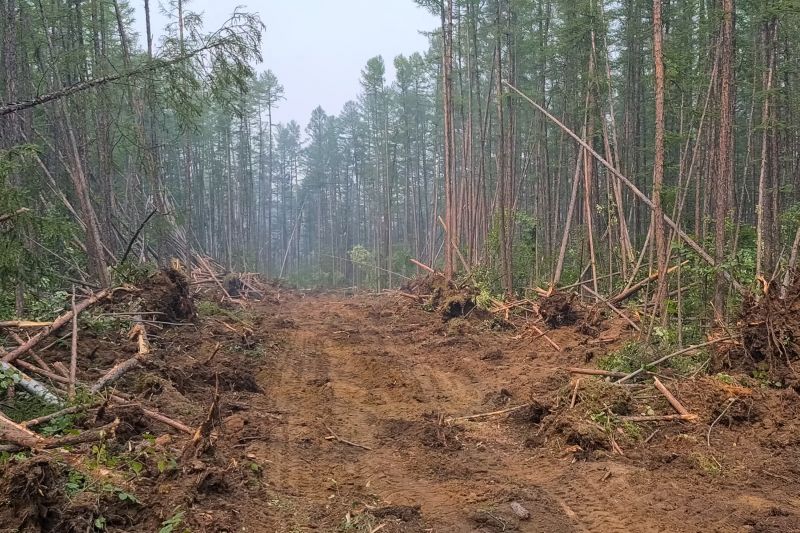
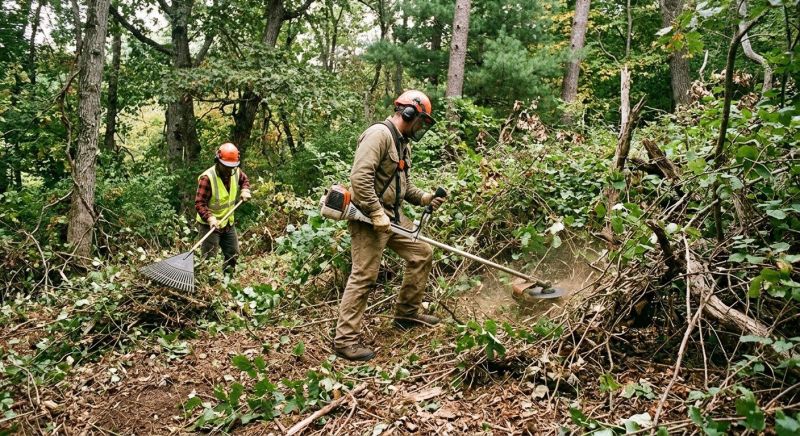
Thicket clearing services involve the removal of dense brush, small trees, and overgrown vegetation to restore or improve the usability of a property. This type of work is often requested for projects such as preparing land for new construction, creating open spaces for recreation or landscaping, or managing overgrown areas to enhance safety and accessibility. Property owners typically want to understand the extent of clearing needed, the types of vegetation involved, and how the process will impact the existing landscape to ensure the project aligns with their goals.
Before requesting thicket clearing, homeowners should consider the size of the area, the density of the vegetation, and any local regulations or restrictions related to land use or vegetation removal. Clarifying these details can help determine the appropriate scope of work and ensure the project proceeds smoothly. Understanding the desired outcome, whether it’s for aesthetic improvement, land development, or safety reasons, will also assist in planning the most effective clearing approach.
Many property owners in Houston, TX look into Thicket Clearing for repairs, replacements, upgrades, and appearance-related improvements.
Property Clearing And Maintenance
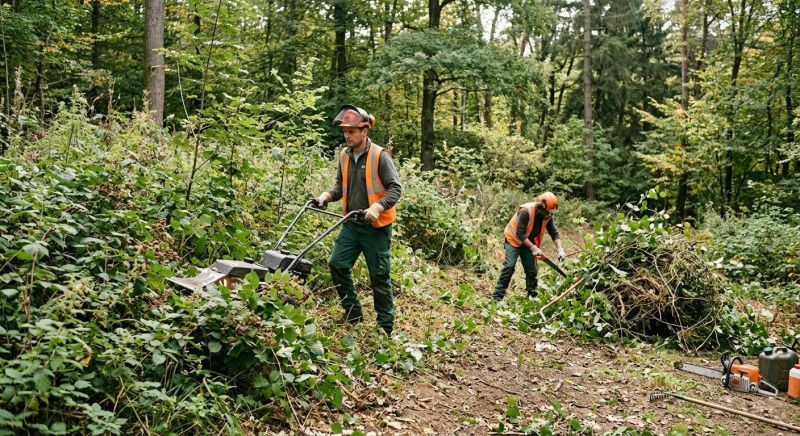
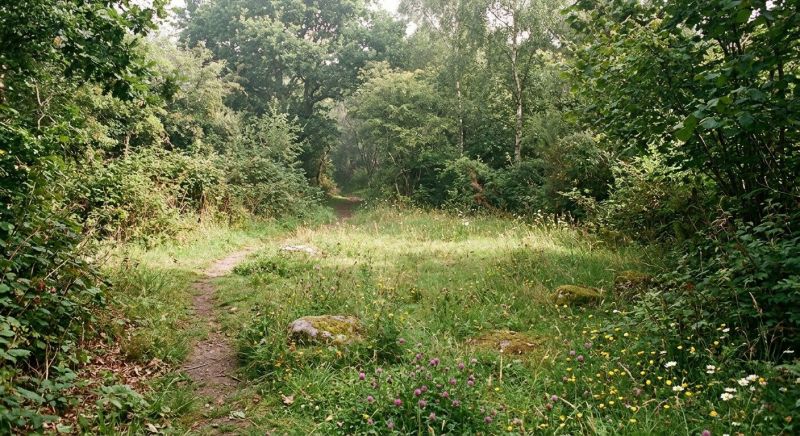
Thicket clearing helps maintain open spaces and prevents overgrowth on residential and commercial properties.
Land Preparation For Development
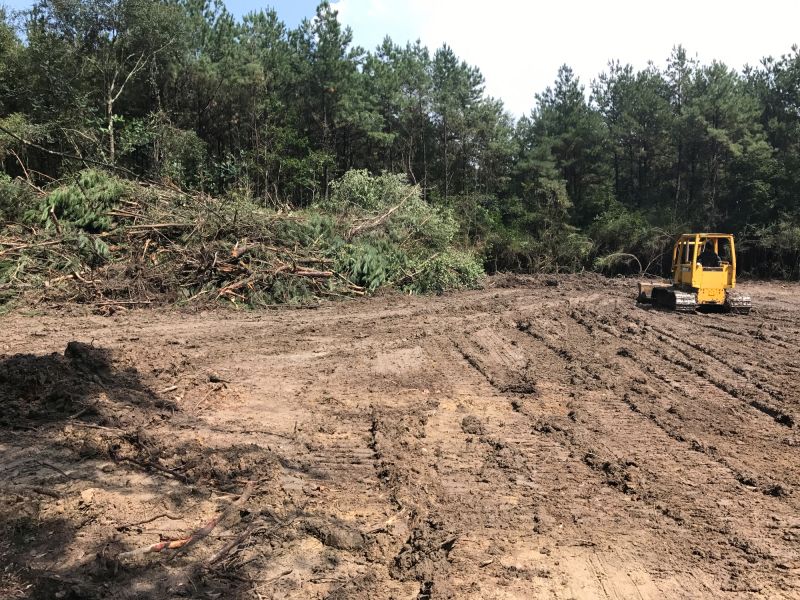
Clearing overgrown areas prepares land for new construction, landscaping, or other development projects in houston, tx.
Brush And Debris Removal
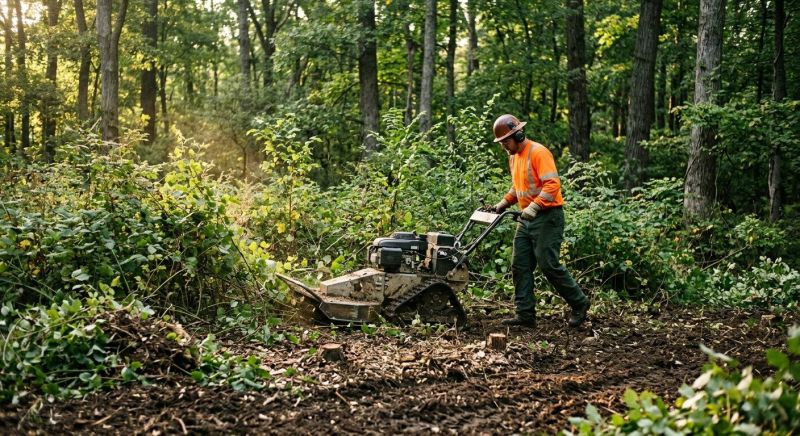
Removing dense brush and debris improves safety and accessibility for property owners and future projects.
Thicket Clearing in Houston, TX

Thicket clearing services involve the removal of dense brush, small trees, and overgrown vegetation to restore or improve the usability of a property. This type of work is often requested for projects such as preparing land for new construction, creating open spaces for recreation or landscaping, or managing overgrown areas to enhance safety and accessibility. Property owners typically want to understand the extent of clearing needed, the types of vegetation involved, and how the process will impact the existing landscape to ensure the project aligns with their goals.
Before requesting thicket clearing, homeowners should consider the size of the area, the density of the vegetation, and any local regulations or restrictions related to land use or vegetation removal. Clarifying these details can help determine the appropriate scope of work and ensure the project proceeds smoothly. Understanding the desired outcome, whether it’s for aesthetic improvement, land development, or safety reasons, will also assist in planning the most effective clearing approach.
Many property owners in Houston, TX look into Thicket Clearing for repairs, replacements, upgrades, and appearance-related improvements.
Common Thicket Clearing Jobs
Thicket clearing involves removing dense brush and undergrowth to improve property visibility and access.
Overgrown lot clearing helps prepare land for development or landscaping projects.
Bush removal targets unwanted shrubs to create open, usable outdoor spaces.
Underbrush removal reduces fire hazards and promotes healthier plant growth.
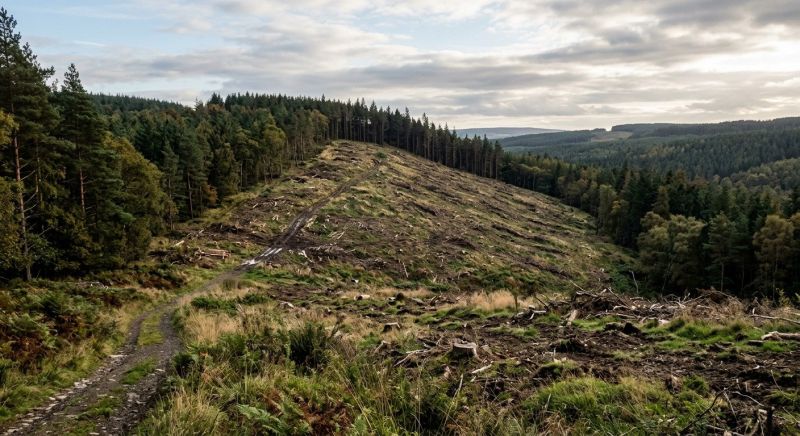
Land clearing for construction prepares sites by removing trees and debris for building projects.
Vegetation management enhances property aesthetics and maintains clear boundaries.
Thicket Clearing Questions
What is thicket clearing? Thicket clearing involves removing dense brush and undergrowth to improve property access and safety.
When is thicket clearing needed? It is often requested to prepare land for construction, landscaping, or fire prevention.
What types of vegetation are removed? Shrubs, small trees, and thick underbrush are typically cleared during the process.
How does thicket clearing benefit property owners? Clearing enhances visibility, reduces fire risk, and creates more usable space on the property.
Request Thicket Clearing in Houston, TX
Use the quote form on this page to share the basics of your project and request more information for the type of work you need.